

Culture Heritage India
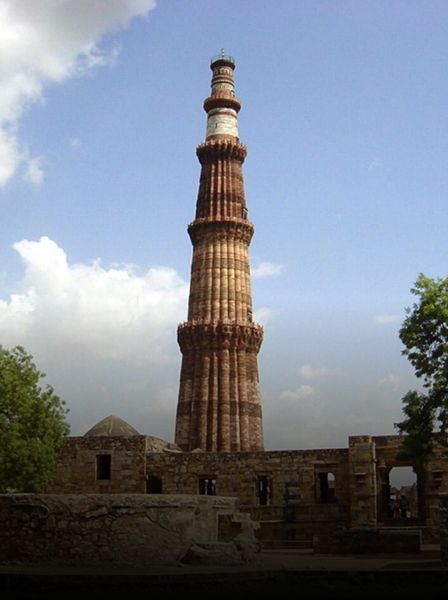
It is a 73 meters high tower built, whose construction was started by Qutbu'd-Din Aibak in 1192.
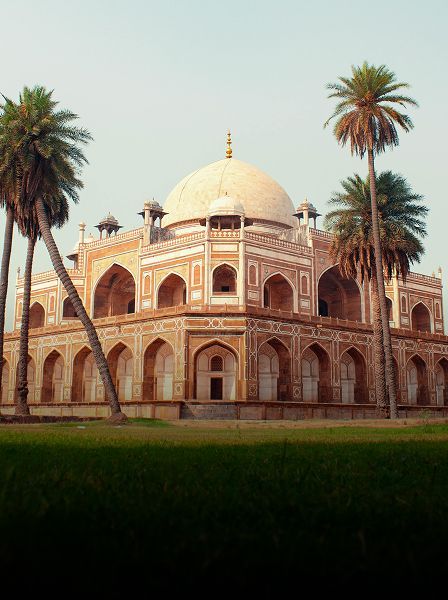
Humayun's Tomb is a landmark in the history of Mughal architecture, as well as the oldest existing instance of the Mughal design of the garden tomb.
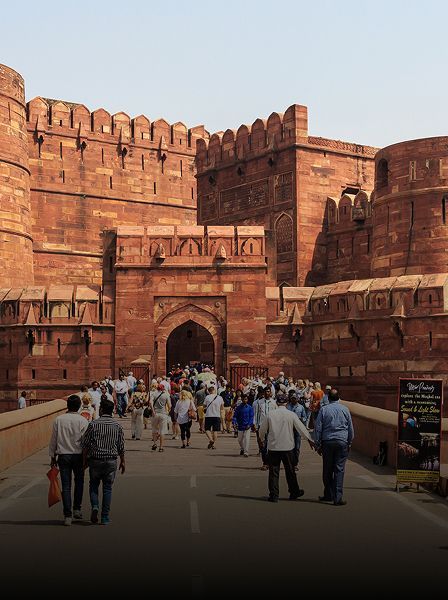
The Red Fort and the Taj Mahal are remarkable and complementing testaments of the Mogul Emperors' civilisation. The Red Fort of Agra is a strong fortification built on the banks of the river Yamuna in 1565 by Emperor Akbar (1556-1605).
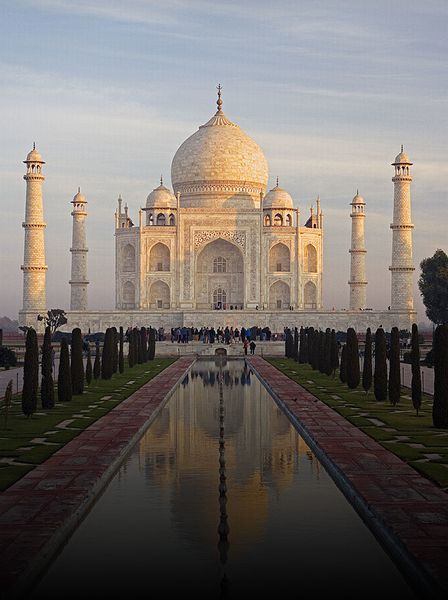
The Taj Mahal, a massive white marble mausoleum constructed in Agra between 1631 and 1648 on the orders of Mughal Emperor Shah Jahan, is India's crown jewel of Muslim art and one of the world's most revered works of art. This funeral mosque was erected by Shah Jahan to commemorate the memory of his favourite wife, Mumtaz Mahal, who died in 1631.

The Sundarbans span 10,000 square kilometres of mangrove forest and water, and are part of the world's biggest delta, which was formed by sediments deposited by three major rivers, the Ganges, Brahmaputra, and Meghna, as they converge on the Bengal Basin.
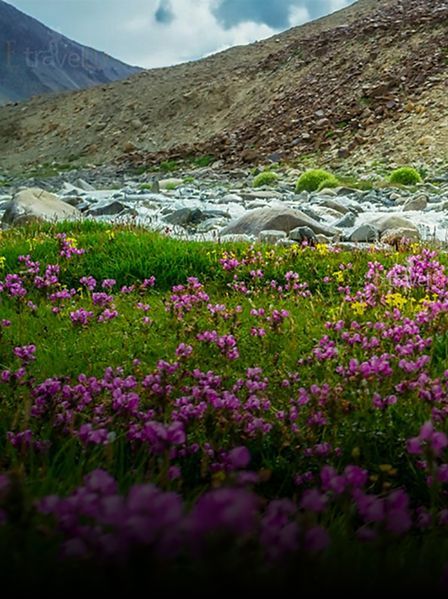
The Nanda Devi National Park is one of the Himalayas' most beautiful wilderness regions. The park is located in the Garhwal Himalaya's Chamoli district.
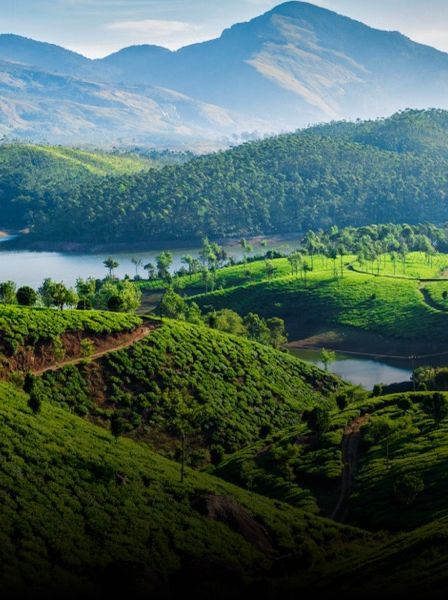
The Western Ghats mountain range, which is older than the Himalayas, is considered as one of the world's eight "hotspots" of biological diversity.